Let’s be real. Hyperpigmentation is like that one uninvited guest who just refuses to leave the party. If you’re a black woman dealing with dark spots, uneven skin tone, or stubborn marks that seem to outlast every serum you buy, you’re not alone.
While melanin gives our skin its rich, beautiful glow, it also makes us more prone to hyperpigmentation, especially after acne, irritation, or inflammation.
The good news? You’re not stuck with it forever. This guide is for black women who want clear, even-toned skin without guesswork, overwhelm, or wasting money. We’ll break down what actually causes hyperpigmentation on black skin, how to prevent dark spots from getting worse, and the science-backed ingredients that help fade hyperpigmentation safely.
So grab a cup of tea and let’s get into it.
What is Hyperpigmentation and Why Is It So Common?
Hyperpigmentation is the term used to describe darker patches of skin caused by excess melanin production. Hyperpigmentation on black skin, in particular, is caused by an overproduction of melanin. Melanin is the pigment responsible for skin, hair, and eye colour. Our bodies are always working to protect us, and when melanin goes into overdrive, hyperpigmentation can be the result. Although this is a natural response, sometimes it can get a little overzealous. On melanin-rich skin, any form of irritation or inflammation can cause hyperpigmentation as part of the skin’s healing response. That’s why hyperpigmentation is more visible and more persistent on black skin.
It’s normal. It’s common. And yes — it’s treatable.
What Causes Hyperpigmentation on Black Skin?
Understanding the cause of your hyperpigmentation is key to treating it properly. These are the most common triggers:
1. Post-Inflammatory Hyperpigmentation (PIH)
This is one of the most prevalent causes of hyperpigmentation on black skin. It’s typically the result of an injury or inflammation to the skin, such as acne, eczema, or a cut. Even shaving or tweezing hairs can irritate the skin and cause PIH. As the skin heals, excess melanin can be deposited, leaving dark marks behind.
2. Sun Exposure
Although melanin provides some natural protection from the sun, UV rays can still trigger hyperpigmentation on black skin. Overexposure to the sun can darken existing spots and cause new areas of hyperpigmentation to form. Plus, skincare products containing active ingredients such as alpha-hydroxy-acids (AHA’s), beta-hydroxy-acids (BHA’s), and retinols can increase your skin’s sensitivity to the sun. For these reasons, a separate sun protection product in your routine is NON-negotiable!
3. Hormonal Changes
Hormonal fluctuations, particularly during pregnancy or while taking birth control, can lead to melasma — a form of hyperpigmentation characterized by dark, blotchy patches on the face. Melasma is typically influenced by a combination of hormones and sun exposure, making it more common amongst black women.
4. Irritation From Skincare Products
Harsh acids, strong fragrances, and over-exfoliation can inflame melanated skin and create the very dark spots you’re trying to fade. Gentle, barrier-respecting formulas are essential.
How to Fade Hyperpigmentation on Black Skin (The Right Way)
Now that we understand what hyperpigmentation is and why it happens, let’s explore the best treatments. Treating hyperpigmentation on black skin requires a careful and targeted approach while preserving the skin’s natural tone. Most dark spots take 8–12 weeks to visibly fade with consistent care — quick fixes often do more harm than good on melanin-rich skin. Here are some tips and product recommendations to nudge you along your journey:
1. Sunscreen Is Essential (yes, every day)
If you do nothing else, wear sunscreen – religiously. All skin types will benefit from using sunscreen, but on black skin, UV rays can worsen hyperpigmentation and slow the healing process. Sunscreen isn’t just about preventing sunburn, it’s one of the most effective tools for preventing existing dark spots from getting darker and stopping new ones from forming. Look for a broad-spectrum sunscreen with an SPF of at least 30, and apply it daily (yes, even if you’re indoors or the weather is cloudy). EltaMD UV Clear Broad-Spectrum SPF 46 is a well-known dermatologist favorite that is perfect for black skin as it leaves no white cast and is formulated to reduce the appearance of blemishes and discoloration.
“One of the biggest and most common misconceptions I hear when treating hyperpigmentation is that you don’t need sunscreen. Sunscreen is extremely important in protecting the skin from harmful UVA/UVB rays and also for helping prevent future hyperpigmentation while healing past discoloration.”
Dr. Caroline Robinson of Tone Dermatology for Essence
2. Gentle Chemical Exfoliation (Not Scrubs)
Exfoliation helps to remove dead skin cells and encourage cell turnover, which can then help to fade hyperpigmentation over time. Alpha-hydroxy-acids are one of the best ways to do this because they dissolve the bonds between dead skin cells to reveal fresher, clearer skin underneath. Opt for gentle AHA’s such as lactic acid as it does not disrupt the skins pH, or mandelic acid as its larger molecular structure means slower absorption and in turn, less irritation. The Paula’s Choice 6% Mandelic Acid + 2% Lactic Acid Liquid Exfoliant is a great place to start as its low percentage of acids is gentler on the skin. Avoid physical scrubs — trauma = more melanin production.
3. Retinoids for Long-Term Clarity
Retinoids are derivatives of Vitamin A and work to speed up cell turnover. This means that they help push older skin cells to the surface so they can be replaced by fresh, new ones. Sachi Skin’s Ursolic Acid & Retinal Overnight Reform is formulated for melanated skin and utilizes encapsulated retinaldehyde for minimal irritation. It addresses an uneven skin tone, hyperpigmentation, and texture issues.
4. Tyrosinase inhibitors (The Ingredients that Actually Fade Dark Spots)
Tyrosinase is a key enzyme involved in melanin production. When it’s overactive, dark spots linger longer and appear darker. Inhibiting it helps fade existing dark spots and prevent new ones from forming. Look for these proven ingredients:
- Azelaic acid: A multi-tasking dicarboxylic acid that targets hyperpigmentation, acne, and redness simultaneously. It gently targets hyperactive and abnormal melanocytes, while leaving normal and healthy cells unaffected. It also possesses strong anti-bacterial and anti-inflammatory properties. This means fewer side effects, making it a great choice for black skin that is typically reactive.
- Kojic acid: Naturally derived from fungi, it’s one of the most well-researched tyrosinase inhibitors out there. Due to this, it can be found in lotions, face/body washes, and soaps.
- Alpha arbutin: Structurally similar to the stronger, but controversial and widely banned hydroquinone, alpha arbutin works to slowly treat and prevent hyperpigmentation. It also provides some anti-oxidant support.
- Licorice extract: This ingredient is popular in the Korean beauty market for a reason. It brightens, soothes, and calms the skin, all at once!
If you don’t want to play ingredients roulette, you don’t have to. Hue’s Supra-Fade Dark Spot Night Serum features them all! Made for black and brown skin to target hyperpigmentation directly, this serum is gentle enough for nightly use.
5. Moisturize to Protect Your Skin Barrier
Your skin barrier is the outermost layer of your skin and works to keep environmental stressors and irritants at bay. When this is compromised, a whole host of issues arise. Keeping your skin hydrated and healthy is essential, especially if you’re dealing with hyperpigmentation. And if hyperpigmentation is a reoccurring issue for you, chances are your skin is easily irritated and sensitive. Dr Sam’s Flawless Moisturiser Intense heals and protects sensitive skin that is in need of some much needed TLC. It’s thick enough to provide adequate protection without clogging your pores.
PRO TIP!
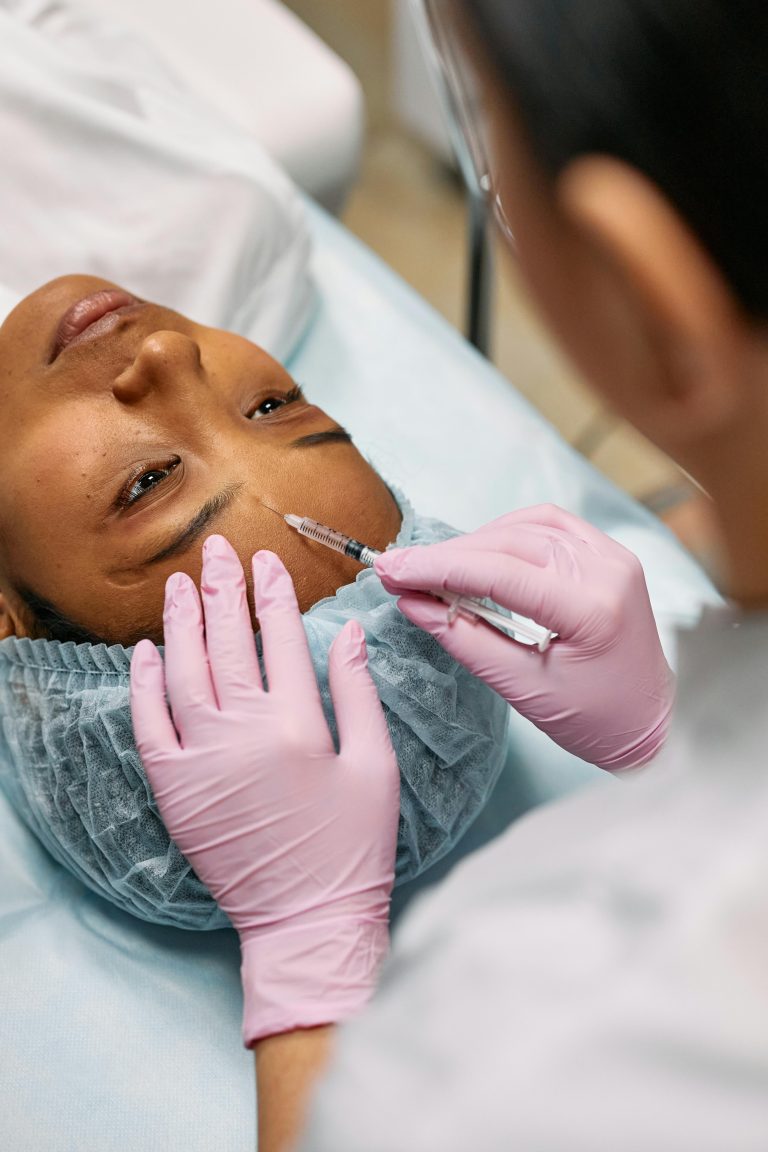
Seek professional treatments: If over-the-counter products aren’t giving you the results you desire, consider consulting with a dermatologist. Professional treatments such as chemical peels, microdermabrasion, or laser therapy can be effective for more severe hyperpigmentation. However, it’s important to work with a dermatologist experienced in treating black skin as some treatments can worsen hyperpigmentation if done incorrectly.
Embrace your skin’s journey
Dealing with hyperpigmentation can be a long process, but it’s important to be patient and gentle with your skin. Our skin renews itself in cycles, and one cycle typically takes 30-50 days depending on factors such as our diet, lifestyle, and genetics. Fading hyperpigmentation may require multiple cycles, so consistency is key. With the right products, routines, and care, you can see significant improvements.
Remember, your skin’s journey is unique to you, and taking steps to care for it is an act of self-love. While hyperpigmentation may be a common concern, it doesn’t define your beauty. Be patient with your treatments and always consult a dermatologist if you’re unsure about anything. If you want a simple, step-by-step routine that tells you exactly what to use, when to use it, and what to avoid, I’m currently working on a detailed guide for black women — coming soon. With a little consistency and the right routine, you’ll be saying goodbye to hyperpigmentation and hello to glowing skin!