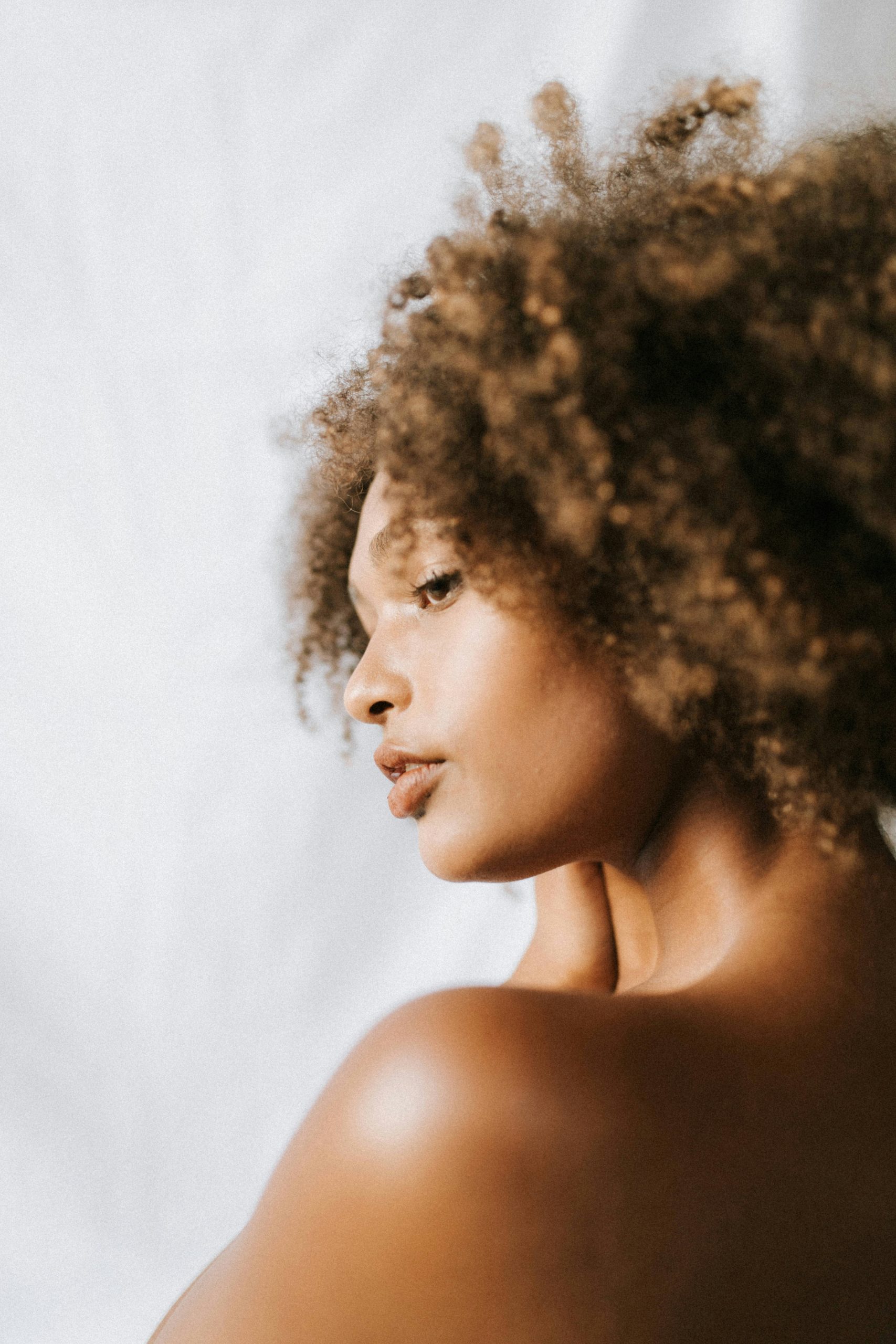
Natural hair is as diverse and beautiful as the women who wear it. Whether you’re a seasoned naturalista or just starting your journey, this guide is here to help you learn how to grow healthy natural hair. From kinky coils to loose waves, your hair is your crown, and it deserves the best care. We’ll take you through every step of natural hair care, from washing and conditioning to styling and protecting your strands. So, let’s dive into the essentials of healthy natural hair, with tips and recommendations tailored just for you.
Understanding Your Hair Type
Before we jump into the nitty-gritty of hair care, it’s essential to understand your hair type. Black womens natural hair typically falls into the Type 3 (curly) and Type 4 (coily/kinky) categories. This hair typing system, originally known as ‘The Hair Chart’, was actually created by Oprah Winfrey’s hair stylist, Andre Walker, in the 1990’s, and has been a strong point of reference ever since. This article explains Andre’s hair typing system in depth. While hair typing can be helpful, healthy hair growth depends more on porosity, moisture balance, and breakage control than curl pattern alone. Type 4 grows at a similar rate to all hair types (around half an inch a month), but it appears to not grow due to shrinkage and breakage. If your hair feels like it ‘isn’t growing,’ it’s usually not a growth issue — it’s a breakage issue. This is why length retention, not speed, should be your focus.
Cleansing & Moisture for Growth
Co-washing vs Shampooing
Proper cleansing is essential for removing product build-up and promoting healthy hair growth. However, natural hair can be prone to dryness, so it’s important to choose the right products and frequency. Shampoos can sometimes strip natural hair of its much-needed moisture, especially if they contain sulfates, and that’s where co-washing comes in. Co-washing (or conditioner washing) is the practice of cleansing your hair with a product that has been specially formulated to clean and moisturize the hair without stripping it. The As I am Coconut CoWash is a fan favorite for this exact reason. It cleans the hair while maintaining moisture, softness, and shine.
PRO TIP!
You can alternate between co-washing and shampooing. If you use a lot of styling products, a good clarifying shampoo like the Pattern Beauty’s Curl Cleansing Shampoo once a month can help remove build-up, detox, and reset your scalp.
Why Moisture Matters for Natural Hair Growth
One of the most critical aspects of natural hair care is moisture retention. Natural hair is more prone to dryness because its structure and porosity make it difficult for the scalp’s natural oils to travel down the hair shaft. That’s why keeping your hair hydrated is essential. A study published in the Journal of the American Academy of Dermatology found that over 50% of black women experience hair breakage due to lack of moisture. Thus, a good moisturizing routine is critical in order to grow healthy hair, and there are different ways you can impart moisture into your hair on a regular basis:
- Daily moisturizing: TGIN’s Miracle RepaiRx Curl Food contains a chock-full of nutrients to nourish dry and parched hair. If you want to kick it up a notch, Qhemet Biologics Amla & Olive Heavy Cream is an O.G. that delivers intense moisture and softness to extremely dry and coarse hair.
- Rinse-out conditioning: Giovanni’s Smooth As Silk Deeper Moisture Conditioner is your right-hand man if you’re looking for a product with slip and hydration. It melts into the hair effortlessly to and gets to work within the 2-3 minutes that is recommended, making it perfect for detangling.
- Deep conditioning: This is arguably the most important way to retain length and prevent breakage. Imparting moisture AND hydration into the hair can help to repair damaged hair and strengthens the hair shaft for styling. A good 30 – 60 minutes is typically recommended to see the real benefits. Incorporate a super softening treatment like Melanin Haircare’s Plumping Deep Conditioner into your product stash to keep your curls and coils revived and ready for whatever!
- Oils: Technically oils are not moisturizers, but they are important nonetheless. As the final step in your moisturizing routine, oils can help to seal in all your hard work and prevent moisture loss in the hair. Charlotte Mensah’s Manketti Hair Oil is a luxurious blend of oils to nourish the scalp and offer protection from breakage.
PRO TIP!
For an extra boost of moisture, incorporate heat into your routine. We’re not talking flat irons and hot combs, although there’s no shame in that game. We’re talking conditioning heat caps so that your deep conditioner can better penetrate your strands, like the Glow By Daye Deep Conditioning Heat Cap. It’s portable and convenient, so perfect for those no-fuss days!
Protective Styling Without Damage
Protective hairstyles are a must for black women aiming to grow healthy natural hair. These styles not only look fabulous, but they also protect your hair from damage. And let’s face it, sometimes we just want to try something new and switch it up! Examples of protective styles include wigs, braids, and twists. While the options are endless, it’s important to note that protective styling does not come without specific maintenance requirements. Here are a few things to consider before your next hair appointment:
Your best bet is to opt for low manipulation hairstyles as they allow you to keep your hands out of your hair after it has been done. And when your hairstyle has been done, do NOT keep it in for too long. 3-4 weeks is ideal so that you can maintain a good cleansing and conditioning routine. Even so, be sure to moisturize your hair and scalp regularly while it is in the protective style. The Camille Rose Mint Condition Braid & Scalp Spray is packed with minerals to nourish your scalp and combat itchiness without ruining your snazzy do! And of course, let your hairdresser know if they are putting too much tension on your scalp. While you may feel obligated to push through for sleek results, traction alopecia is real and hair loss due to tight hairstyles is all too common amongst black women.
Habits that Protect Your Hair Long-Term
Detangling
Detangling natural hair can be a challenge, but with the right tools and techniques, it doesn’t have to be. The key is to be gentle to avoid breakage and excessive shedding. A good rule of thumb is if it hurts, change your technique. Here are some detangling do’s to kick-start your journey:
- Use the correct tools: Avoid fine-tooth combs that can cause breakage. Instead, opt for a wide-tooth comb or use your fingers to gently detangle.
- Detangle in sections: Work in small sections to ensure every strand is treated with care. This also prevents unnecessary tangling and allows for better results.
- Condition for softness: Always detangle your hair when it’s damp and saturated with a buttery feel conditioner as the slip allows the comb (or your fingers) to glide through with ease.
Trimming Regularly for Healthy Ends
It’s out with the old and in with the new (growth). While trimming your hair when you’re trying to grow it out may seem counterintuitive, regular trims are essential for maintaining healthy ends and preventing split ends from traveling up the hair shaft. And although we wish we could say there is no right way to trim your hair, that is simply not the case. Here are some tips to help you achieve a clean cut the next time you’re due for a trim:
- Use the correct shears: Regular scissors can leave you with a blunt cut and cause a domino effect of more split ends, which leads to more breakage, which leads to… you get the picture. Hairdressing shears provide a clean cut because they are designed with precision and sharpness for optimal results. Professional hairdressing shears can usually be found at your local beauty supply store.
- Listen to your hair: Every 8-12 weeks is a good timeframe for your trimming schedule. However, if you happen to notice more tangling, frizzy ends, or fairy knots, it may be time for a trim.
- Twist and trim: A popular method is to throw your hair into loose twists and trim the ends of each twist, or trim from where you can begin to feel damage. This helps ensure an even trim across all sections and prevents you from losing track of your progress as you go along.
- Leave it to the professionals: If you’re not comfortable trimming your hair yourself, visit a stylist who specializes in natural hair, or even get a friend or relative to help you out. There is only so much we can do alone, and honestly, teamwork makes the dream work!
Night-time Hair Care
You may not realize it, but how you care for your hair at night plays a significant role in its overall health. A good night routine supports healthy hair rgowth, protects your hair while you sleep prevents breakage, and of course, keeps your hairstyle intact. For our rough sleepers in particular, this ones for you:
- Ditch the cotton: Cotton is a highly absorbent material, meaning it also absorbs the moisture from your hair. This in turn, causes friction and can eventually lead to breakage. Switch to a satin or silk bonnet, scarf, or pillowcase to keep your hair smooth and retain moisture. The TreLuxe 100% Satin Pillowcase is made for curl and coil longevity, while the The Grace Elaye Satin Lined Cap protects your hair at night, and is cute enough to rock outdoors!
- Pineapple Method: For longer hair, gather your hair at the top of your head in a loose ponytail for preservation, and then simply refresh in the morning!
- Moisturize: Before bed, spritz your hair with water or a light leave-in conditioner to keep it hydrated and reduce any possible friction.
Heat-Free Styling
Heat styling tools like flat irons and hot combs can be tempting when it comes to achieving a specific look, but they can also lead to heat damage, which is difficult to reverse. Heat damage is real, and if you have ever been unfortunate enough to experience it, you know the struggle! Heat-free hairstyles are not only gorgeous, but they showcase your hair in its truest and most unique form. However, this is a judgement free zone, and if you’re itching for that flawless silk press, we’d recommend limiting silk presses to once or twice a year, ideally as a length check.
Scalp Care for Natural Hair Growth
Your scalp is the foundation of healthy hair, so taking care of it is crucial. A healthy scalp promotes hair growth and prevents issues like dandruff and itchiness. There are many ways to care for your scalp, so we’ve outlined a few below:
1. Exfoliate Your Scalp
Just like your skin, your scalp can benefit from exfoliation. Exfoliating your scalp can help to promote hair growth and shed those dead skin cells! For this reason, TPH By Taraji’s Never Salty Scalp Scrub is a scrub-to-balm exfoliant and must-have in your product stash.
2. Massage Your Scalp
Regular scalp massages can stimulate blood flow and promote hair growth. Use an essential oil like peppermint oil or rosemary oil for an added boost.
3. Keep it Clean
Don’t over-wash, but don’t under-wash either. Find a balance that works for you, based on your scalp’s level of oiliness or dryness. A good rule of thumb its once it starts to itch, it’s time for a wash.
Enjoy the journey!
Finally, remember to celebrate your hair! Natural hair is versatile and unique. It’s a reflection of your identity and heritage, and it deserves to be celebrated every day. Caring for natural hair is about more than just following a routine, it’s about embracing and loving your natural beauty. With the right knowledge, products, and techniques, your hair can thrive in all its natural glory. Remember, your hair is your crown, so wear it proudly and with confidence.
Join the community! Connect with other naturalistas on social media platforms like Instagram, TikTok and YouTube. Share your journey, exchange tips, and find inspiration from others who are embracing their natural hair. Representation is important, and with a new aesthetic trending on social media every 3 business days, it’s easy to feel overwhelmed.
And of course, take breaks when needed. Let’s be honest, there will be days, weeks and even months where you’re simply OVER it. And that’s okay! Whether you throw on your best wig, dust off your old clippers and start from scratch, or even opt for a chemical treatment — we GET it. Life is to be lived, and at the end of the day, self-love involves making the best decisions for you, no matter what that looks like.
If you want a full step-by-step routine with product categories and a printable tracker, we’re currently creating a detailed healthy hair guide for black women — coming soon.
Here’s to healthy, happy hair days ahead!


